Who We Are.
We all work for different institutions, groups or agencies but share a passion for wolverine conservation research.

Mirjam Barrueto, PhD, R.P.Bio, Liber Ero Fellow, University of Alberta
Mirjam has a M.Sc. in Zoology from the University of British Columbia, studying ecological mechanisms of selection. In 2011, she moved to Banff to work with Tony Clevenger, studying interactions between roads and wildlife, increasingly focusing on wolverines. In 2025, she earned her PhD at the University of Calgary studying wolverines and their interactions with human activities. In 2026 she became a Liber Ero Fellow and is currently a postdoctoral researcher at the University of Alberta.
Mirjam loves complex datasets and spends as much time at the computer as in the field, developing statistical models, researching the newest analysis methods, and planning for the winter field seasons. Whenever she can, she climbs and skis mountains, enjoys trail runs and the occasional ultra. She lives in Golden, B.C.
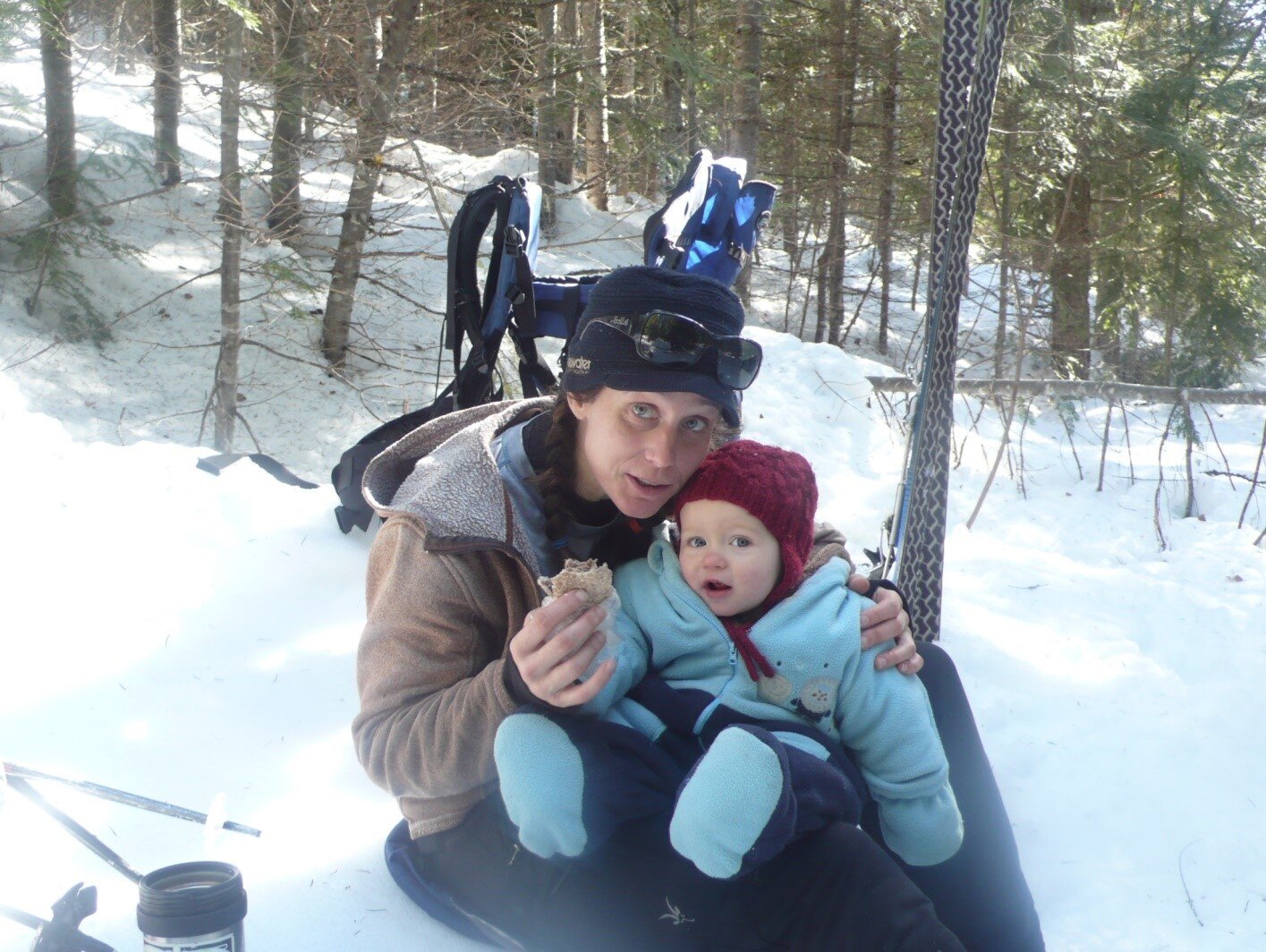
Andrea Kortello, MSc, R.P.Bio, Poisson Consulting
Andrea obtained her M.Sc. in Wildlife Resources from University of Idaho in 2005, studying wolf and cougar interactions in Banff. After more than a decade of tracking large carnivores and a myriad of other species around the Rocky Mountains, she followed her sweetheart to Nelson, B.C. Now she uses the stamina, logistics and planning skills honed on climbing, paddling and skiing expeditions to do housework and wrangle two young children. She initiated the Kootenay Wolverine Project with Doris Hausleitner in 2012 and has been pursuing the elusive wolverine ever since.
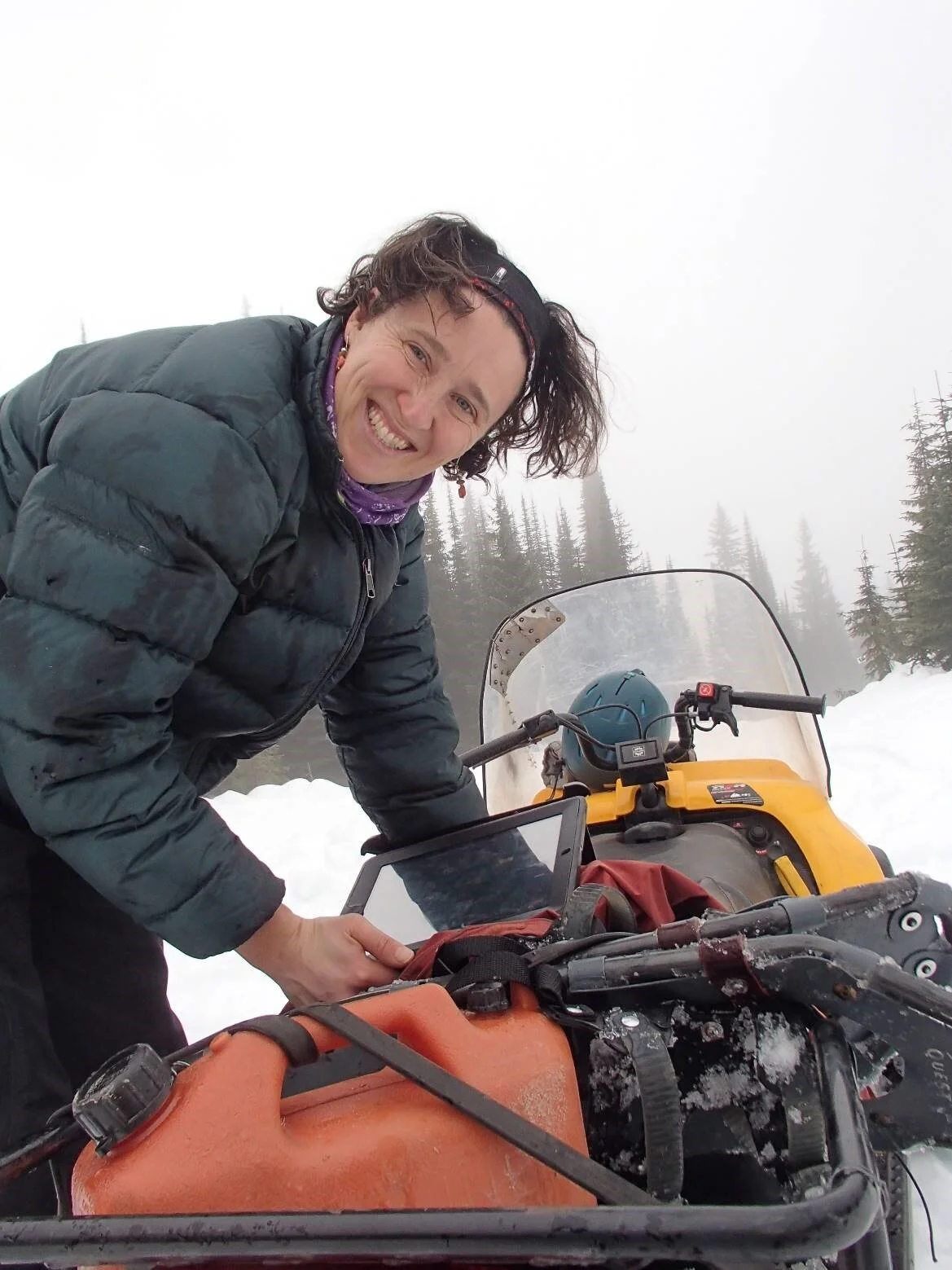
Doris Hausleitner, MSc, R.P.Bio, Seepanee Ecological Consulting & Selkirk College
Doris met Andrea, a fellow Canadian, while doing her M.Sc. in Wildlife Resources at the University of Idaho. Following graduation, she moved into population ecology studies specializing on rare and endangered wildlife in southern British Columbia. A Yukoner by birth, she moved with her family to Nelson where the gardening season is somewhat easier and longer! In addition to a thriving consulting business, she teaches applied ecology and restoration at Selkirk College. She is thrilled to be in a partnership with Andrea, who is almost as tenacious as the wolverine.
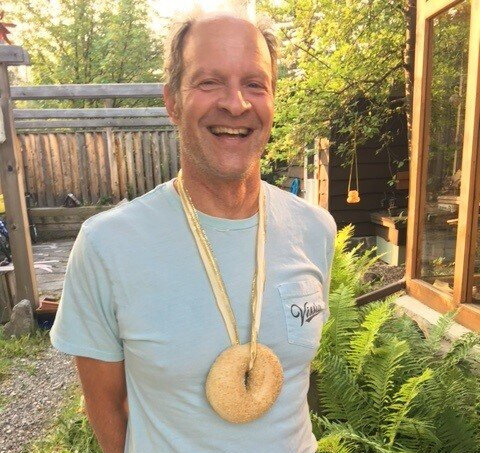
Anthony (Tony) Clevenger, PhD, Montana State University
Tony is a senior wildlife scientist at the Western Transportation Institute at Montana State University and specializes in applied conservation biology. Since 2010, he has focused on non-invasive landscape-scale wolverine surveys in the Canadian Rockies. He has over 25 years of research experience directing long-term research assessing the impacts of highways on wide-ranging carnivore movements. His road ecology collaborations have extensive global coverage, spanning North America, Europe, Asia and Latin America. He has published over 80 articles from his research in international peer-reviewed journals. Tony calls the Banff - Bow Valley home.

Michael A. Sawaya, PhD, Sinopah Wildlife Research Associates
Mike earned his BSc in Wildlife Biology from the University of Montana in 1997 and received his PhD in Fish and Wildlife Management from Montana State University in 2012. Mike has worked on grizzly and black bears in Glacier and Banff National Parks, cougars in Yellowstone National Park, black bears in eastern North America, and wolverines in western North America. Mike is active in professional wildlife organizations and enjoys mentoring graduate students. Through his research, Mike seeks to understand how wildlife populations respond to environmental changes and to apply that information for more effective conservation and management. When Mike is not investigating bear bathtubs, tracking cougars or wrangling carnivore hair, he enjoys camping, hiking, gardening, and adventuring with his wife and two sons.

Marco Musiani, PhD, University of Calgary
Marco is a professor at the University of Calgary in the Dept. of Biological Sciences, Faculty of Science. His lab has a strong focus on landscape ecology, molecular ecology, and wildlife conservation. His work demonstrates how highly vagile organisms such as caribou, elk and wolves are ideal study species to recognize Evolutionarily Significant Units, which should also become management and conservation units. As the effects of topographic barriers on reproductive isolation are limited in these species, other influences on differentiation can be studied, including a suite of traits that may be of adaptive value. With some students Marco focuses on human dimensions in wildlife management issues. With other students again, he studies wildlife movements and their reaction to people using multi-agent models. LINK TO WEBSITE